

dark grey float glass
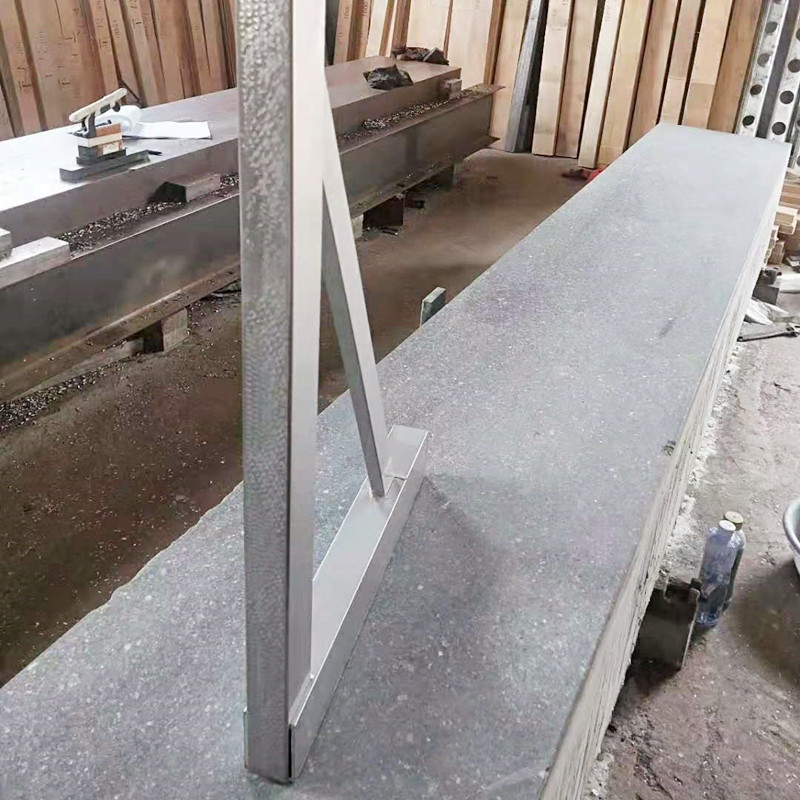
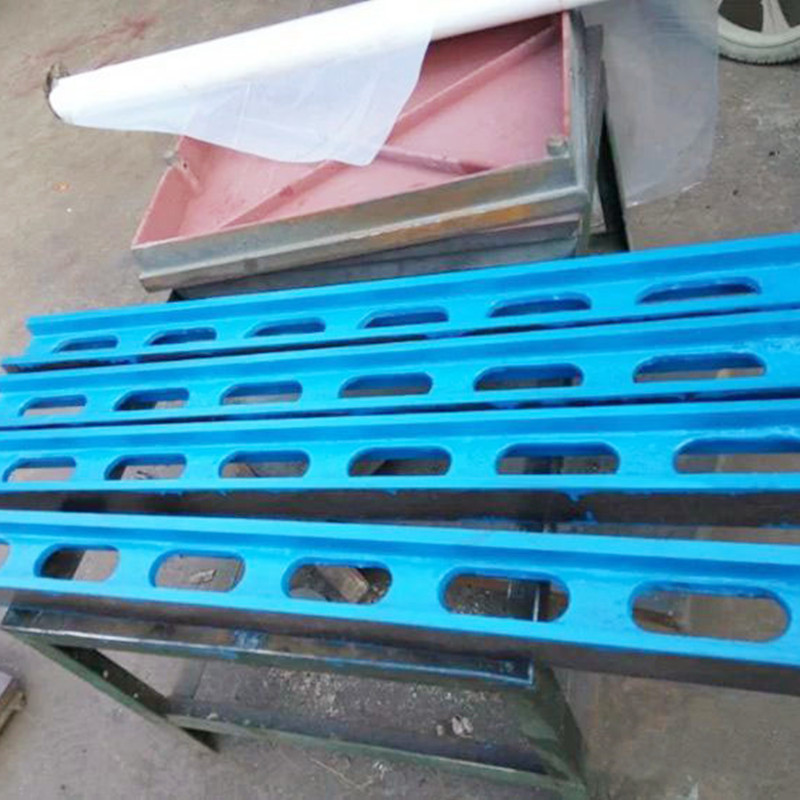
Tytuł Zastosowanie stołów spawalniczych w przemyśle Stoły spawalnicze odgrywają kluczową rolę w procesie spawania, umożliwiając precyzyjne i efektywne łączenie elementów metalowych. Dzięki różnorodności dostępnych modeli i rozmiarów, stoły te są wykorzystywane w wielu branżach, takich jak przemysł motoryzacyjny, budownictwo oraz produkcja maszyn. Tytuł Zastosowanie stołów spawalniczych w przemyśle Kolejnym ważnym aspektem jest modularność stołów spawalniczych. Wiele modeli oferuje możliwość rozbudowy, co pozwala na dostosowanie stacji roboczej do specyficznych wymagań produkcyjnych. Dzięki temu przedsiębiorstwa mogą szybko reagować na zmieniające się potrzeby rynku, co jest kluczowe w dzisiejszej dynamicznej gospodarce. strong welding table Funkcjonalność stołów spawalniczych często wzbogacają dodatkowe akcesoria, takie jak uchwyty, prowadnice czy systemy odciągowe, które poprawiają jakość i bezpieczeństwo pracy. Dzięki nim można dokładnie ustawić elementy do spawania, eliminując błędy wynikające z niedokładności. Co więcej, odpowiednie systemy odciągowe pomagają w usuwaniu dymu i pyłu, co znacząco poprawia warunki pracy oraz wpływa na zdrowie pracowników. W kontekście innowacji warto również wspomnieć o nowoczesnych technologiach, które coraz częściej są integrowane ze stołami spawalniczymi. Systemy cyfrowe, takie jak automatyzacja procesu spawania czy monitorowanie jakości w czasie rzeczywistym, znacząco zwiększają efektywność produkcji. Dzięk temu, firmy mogą nie tylko przyspieszyć procesy, ale również poprawić jakość wytwarzanych produktów. Podsumowując, mocne stoły spawalnicze są niezastąpionym elementem w pracy spawaczy. Ich trwałość, modularność oraz możliwość dostosowania do indywidualnych potrzeb sprawiają, że są one kluczowym narzędziem w wielu branżach przemysłowych. Inwestycja w nowoczesne stoły spawalnicze to krok w stronę efektywności, jakości i bezpieczeństwa w miejscu pracy.
about
dark grey float glass
Understanding the Pricing Dynamics of Concrete Chairs Concrete chairs, a blend of functionality and modern aesthetics, have gained significant popularity in both residential and commercial settings due to their durability and versatility. These chairs, crafted from a combination of cement, water, sand, and aggregate, offer a unique design element that can withstand the test of time. However, when it comes to purchasing them, one might wonder about the factors influencing the price of concrete chairs. Firstly, the cost of raw materials plays a crucial role in determining the price. Concrete, being the primary ingredient, is a mixture of aggregates (), sand, and Portland cement. The fluctuation in the global market prices of these materials directly impacts the final cost of the chair. For instance, a rise in the demand for cement or a shortage of aggregates can lead to an increase in the overall production cost, translating into a higher price tag. Secondly, the manufacturing process and labor involved contribute significantly to the pricing. Concrete chairs require skilled labor to mold, cure, and finish, which is a time-consuming process compared to mass-produced plastic or metal furniture. Moreover, intricate designs or customizations add to the labor-intensive nature of the production, driving up the price. Thirdly, the design complexity is another factor. Simple, minimalist designs generally cost less than intricately detailed or sculptural pieces Simple, minimalist designs generally cost less than intricately detailed or sculptural pieces Simple, minimalist designs generally cost less than intricately detailed or sculptural pieces Simple, minimalist designs generally cost less than intricately detailed or sculptural pieces concrete chairs price . The more artistic and innovative the design, the more time and effort it takes to create, hence the higher the price. Furthermore, the brand reputation and location also play a part. Well-established brands with a reputation for quality may charge a premium for their products. Similarly, regional factors such as transportation costs, local taxes, and supply chain logistics can influence the final selling price. Lastly, sustainability considerations can impact the price. Environmentally friendly practices, like using recycled materials or low-carbon cement, often come at a slightly higher cost but appeal to consumers who prioritize eco-conscious choices. In conclusion, the price of concrete chairs is a result of a complex interplay between material costs, labor, design, branding, and sustainability factors. It's essential to consider these aspects when making a purchase decision, balancing both aesthetic preferences and budget constraints. Remember, while concrete chairs may initially seem more expensive, their durability and low maintenance requirements often make them a cost-effective investment in the long run.
-

High quality industrial productsagement

High quality industrial products
View Details -

Meet the diverse needs of customers

Meet the diverse needs of customers
View Details -

Strict quality control

Strict quality control
View Details -

Top raw materials

Top raw materials
View Details -

Trusted supplier

Trusted supplier
View Details
Our application

news and information

y type strainer with drain valve
Understanding Y-Type Strainers with Drain Valves The Essential Component for Fluid Management In var
Válvula de puerta de 50 mm
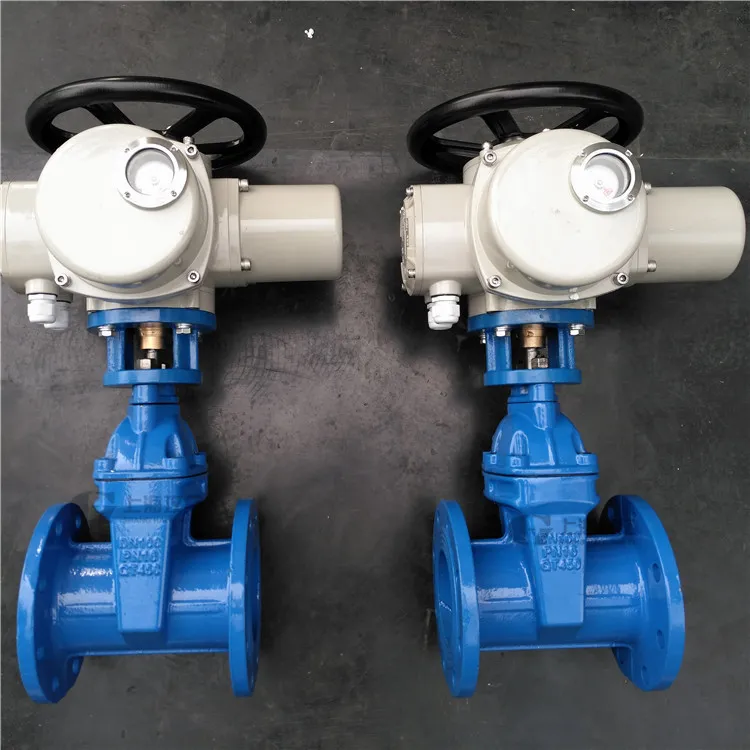
Válvula de compuerta de 50 mm una solución eficaz para el control de fluidos La válvula de compuerta

Versatile Welding Table Clamping Kit for Secure Workholding Solutions
The Essential Guide to Welding Table Clamp Kits Welding is an essential skill in many trades, from m
 English